How to Build a Thriving Vegetable Garden at Home
- Luiz Selli
- 5 nov 2025
- 3 Min. de lectura

Starting a vegetable garden at home can seem overwhelming, but it is one of the most rewarding ways to connect with nature and enjoy fresh, healthy food. Whether you have a small balcony or a spacious backyard, growing your own vegetables is possible with the right approach. This guide will walk you through practical steps to create a thriving vegetable garden that fits your space and lifestyle.
Choosing the Right Location for Your Garden
The success of your vegetable garden depends heavily on where you plant it. Most vegetables need at least six hours of direct sunlight daily. Look for a spot that:
Receives ample sunlight throughout the day
Has good drainage to prevent waterlogging
Is sheltered from strong winds that can damage plants
Is easily accessible for watering and maintenance
If you have limited outdoor space, consider container gardening on balconies or windowsills. Many vegetables like cherry tomatoes, peppers, and herbs grow well in pots.
Preparing the Soil for Planting
Healthy soil is the foundation of a productive garden. Before planting, test your soil’s texture and pH. Most vegetables prefer slightly acidic to neutral soil (pH 6.0 to 7.0). You can buy simple soil test kits at garden centers.
To improve soil quality:
Remove weeds and debris
Loosen the soil to a depth of 12 inches for better root growth
Mix in organic matter such as compost or well-rotted manure to add nutrients and improve texture
Avoid compacted soil, which restricts root development
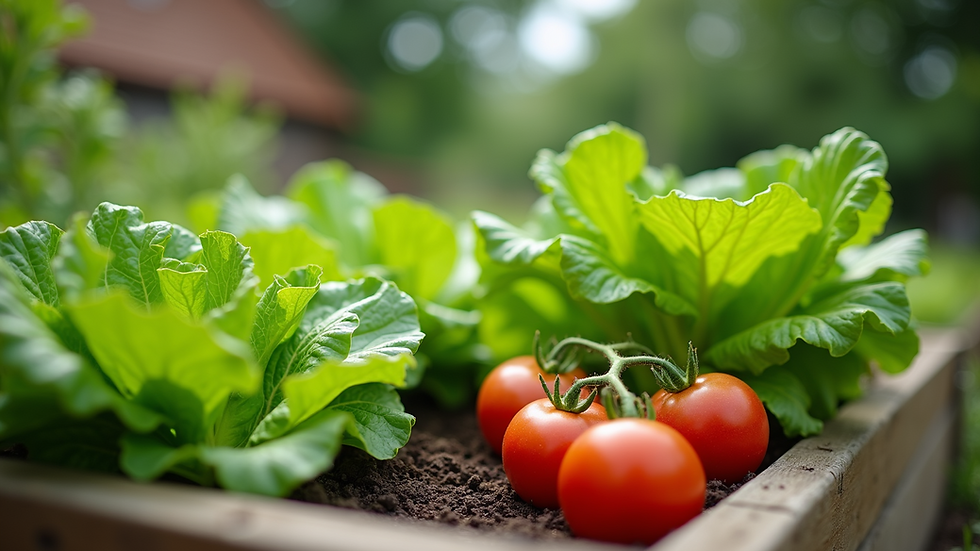
Raised beds or garden boxes are excellent if your native soil is poor or contaminated.
Selecting Vegetables That Suit Your Climate and Space
Choosing the right vegetables increases your chances of success. Consider:
Your local climate and growing season length
The space you have available
Your cooking preferences and what your family enjoys eating
For beginners, easy-to-grow vegetables include:
Lettuce and spinach
Radishes
Green beans
Zucchini
Tomatoes
Check seed packets or local gardening guides for planting dates and care instructions.
Planting Techniques for Healthy Growth
Plant seeds or seedlings according to the recommended depth and spacing. Crowding plants can reduce airflow and increase disease risk. Follow these tips:
Water seeds gently after planting to avoid washing them away
Mulch around plants to retain moisture and suppress weeds
Use stakes or cages for climbing plants like tomatoes and beans
Rotate crops each season to prevent soil depletion and pests
Starting seeds indoors can give you a head start, especially in cooler climates.
Watering and Fertilizing Your Garden
Consistent watering is crucial, especially during dry spells. Most vegetables need about 1 inch of water per week. Water early in the morning to reduce evaporation and fungal diseases.
Fertilize your garden with balanced, slow-release fertilizers or organic options like compost tea. Avoid over-fertilizing, which can lead to excessive leaf growth but poor fruit production.
Managing Pests and Diseases Naturally
Pests and diseases can damage your plants, but you can manage them without harsh chemicals:
Encourage beneficial insects like ladybugs and bees by planting flowers nearby
Use physical barriers such as row covers or netting
Remove affected leaves promptly to prevent spread
Rotate crops to reduce pest buildup
Companion planting, such as growing marigolds near tomatoes, can also deter pests.
Harvesting and Storing Your Vegetables
Harvest vegetables at their peak for the best flavor and nutrition. For example:
Pick lettuce leaves when they are young and tender
Harvest tomatoes when fully colored and slightly soft
Pull carrots when they reach the desired size
Store your harvest properly to extend freshness. Leafy greens keep well in the refrigerator wrapped in a damp cloth, while root vegetables store best in a cool, dark place.
Benefits of Growing Your Own Vegetables
Beyond fresh food, gardening offers many benefits:
Physical activity and stress relief
Learning opportunities for children and adults
Reduced grocery bills
Lower environmental impact compared to store-bought produce
Starting small and expanding your garden over time helps maintain enthusiasm and success.
Building a vegetable garden at home takes planning and care, but the rewards are worth the effort. Start with a sunny spot, prepare your soil, and choose vegetables that fit your space and taste. With regular watering, natural pest control, and timely harvesting, you will enjoy fresh produce all season long. Try growing a few easy vegetables this season and watch your garden thrive.


Comentarios